
AI in web design and development: where it helps, and where it doesn’t
Most marketing and digital teams know AI could speed up their website work. Few know where it genuinely helps, where it adds risk, or how to start.
In this guide
Most website projects now involve AI in some way – but usually in scattered, inconsistent ways. Teams aren’t sure where AI in web design and development genuinely helps, what it should never be trusted with, or how to use it without putting quality, accuracy or the brand at risk.
Meanwhile the pressure keeps building: leadership wants to know how AI will make the next website faster or cheaper, vendors promise it will do everything, and the team is left to work out what’s real. Getting it right looks different for every organisation.
Definition
What does AI in web design and development mean?
AI in web design and development means using AI tools to support parts of a website project – such as research, content audits, design options, code assistance, testing and SEO – while experienced people stay responsible for strategy, design, accuracy and quality.
The problem
Side note: “website project” here covers new builds, rebuilds, replatforms and ongoing enhancements.
Five questions teams ask about AI and websites
- Which parts of our website project should AI actually touch?
- What should it never be trusted with?
- How do we protect our search rankings, brand and accuracy?
- Which tools suit our team and our approval process?
- How do we get people using it well – and know it’s working?
AI won’t build a better website on its own. Knowing where to use it will.
Why it’s hard
Why AI in web design and development is hard to get right
AI is already in most website projects. The challenge is using it deliberately rather than by accident. Four things usually get in the way.
- Scattered use.Everyone uses AI differently, so quality and results vary from person to person.
- Unclear limits.Nobody has agreed what AI should and shouldn’t do in the project.
- Risk to quality.Brand voice, accuracy, accessibility and search rankings are easy to put at risk.
- Too many tools.New tools and features arrive every month, and it’s hard to know what to trust.
Figure 1
Where questions about AI come up in a website project
Stage 1
Discovery and content
- What research do we already have?
- How much content should we keep?
- Who approves the copy?
Stage 2
Design
- How do we test options quickly?
- How do we keep the brand consistent?
- How will we test with customers?
Stage 3
Build
- Which platform suits us?
- Where can AI speed up development safely?
- How is code quality checked?
Stage 4
Launch and beyond
- What could go wrong on launch day?
- How do we protect rankings?
- What should we measure next?
When we meet
Where a conversation with us starts
Every team, website and organisation is different, so we begin by talking rather than prescribing. In a first conversation we’ll look together at:
- Where AI fits your project – the stages where it could genuinely save time or improve quality.
- What it shouldn’t touch – the areas where people need to stay firmly in charge.
- Which tools suit your team – based on how you already work and what’s approved.
- How to get started – a practical first step that won’t put your website at risk.
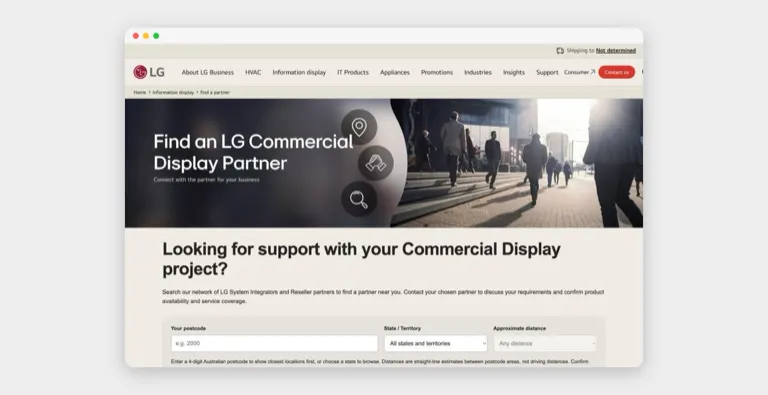
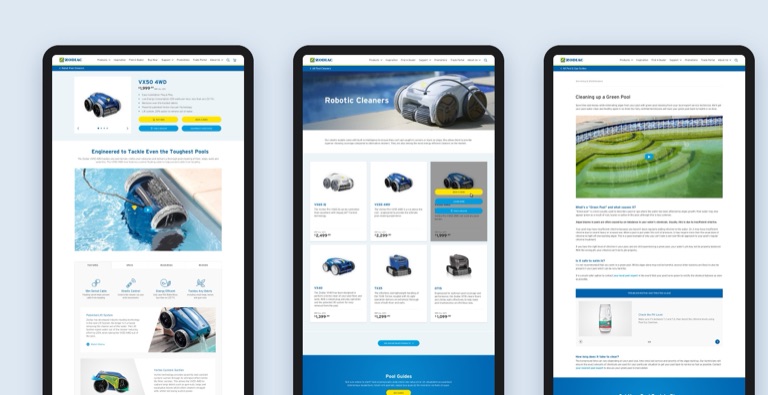
Websites we’ve built.
AI in web design FAQs
Can AI design a website on its own?
No. AI can generate layouts, wireframes and first drafts quickly, but it can’t judge what’s right for your brand, users and business goals. Experienced designers and developers still need to make those decisions and check usability, accessibility and quality.
Will AI replace web designers and developers?
No – it changes how they work rather than replacing them. AI speeds up tasks like drafting, coding assistance and testing, but judgement, architecture, security and accountability for the finished website still sit with people.
Is AI-generated content bad for SEO?
Not in itself. Google says it judges content on quality and usefulness, not on how it was produced. Thin, generic or unedited AI content tends to perform poorly, so anything AI drafts still needs expert editing and fact-checking.
Is it safe to use AI on our website project?
It can be, with the right controls: approved tools, clear rules about what data goes into them, and review of everything they produce. Don’t put customer data, credentials or confidential content into public AI tools without your organisation’s approval.
Where should we start with AI on our next website?
Start with the slow, repetitive parts of a project – such as content audits, research synthesis or testing – where AI saves time without taking over decisions. Agree rules for tools and data before using it more widely.
Guides. Further reading
Thinking it through? Start here.
 Guide · SEO and GEO
AI search visibility: why most brands can’t measure it
Why AI answers are so hard to track, and what it means for your brand.Read the guide Guide · Branding
Brand strategy: why most rebrands fail before the logo
Why most rebrands fail before anyone designs a logo.Read the guide Guide · Working with agencies
Choosing a marketing agency: why most briefs go wrong
The problems that follow teams from agency to agency.Read the guide
Work with us
Planning a website and wondering where AI fits?
Tonic The Agency is a full service independent agency in Surry Hills, Sydney, founded in 2010. We design and build websites in-house. Talk to us and we’ll work it through together.