
Choosing a marketing agency: why most briefs go wrong
Many organisations change agencies every few years – and find the same problems follow them. The issue often starts long before the pitch.

In this guide
Choosing a marketing agency feels like it should be simple. Write a brief, see a few pitches, pick the best ideas. Yet many marketing and digital teams end up a year later with the same frustrations: work that doesn’t match the brief, slow delivery and results nobody can clearly measure.
More often than not, the problem isn’t the agency’s talent. It’s the brief, the fit and the way the relationship is set up from the start – and those are hard to see from the inside.
Definition
What does a marketing agency do?
A marketing agency helps organisations plan and deliver marketing – from strategy and creative campaigns to websites, content, digital advertising and marketing automation. Full service agencies cover most of these in one team; specialist agencies focus on one area.
The problem
Side note: “agency” here covers creative, digital, technology and marketing partners – full service or specialist.
Five questions teams struggle to answer before they hire
- What do we actually need – one agency or several specialists?
- What does success look like, and how will we measure it?
- How much should we budget, and what will that really buy?
- Who will actually do the work after the pitch?
- How will the agency work with our team, systems and approvals?
Most agency problems are briefing problems in disguise.
Why it goes wrong
Why choosing a marketing agency goes wrong
Agency relationships rarely fail because of one bad decision. Four things usually build up.
- Vague briefs.Too many briefs say what to make, not what needs to change in the business.
- Pitch theatre.Pitches reward polished ideas, not how the team will actually work together.
- Hidden fit.Size, sector experience and working style matter more than most selection criteria show.
- No shared measure.Without agreed measures, success becomes a matter of opinion.
Figure 1
Where agency relationships break down
The brief
- Is the problem clear?
- Are the goals measurable?
- Is the budget realistic?
The pitch
- Are we judging ideas or capability?
- Who will do the work?
- How do they work day to day?
Onboarding
- Who owns what?
- How do approvals work?
- What do the first 90 days look like?
Ongoing
- How is performance reviewed?
- How do we keep the work fresh?
- When is it time to change?
Back to the brief as the business changes
Why clients stay
The best agency relationships are measured in years, not campaigns
Changing agencies is expensive – in time, knowledge and momentum. That’s why how long an agency keeps its clients is one of the most useful things to ask about. It says more about fit, delivery and trust than any pitch.
- 8+ years
- Tonic’s average client relationship
- 10 years
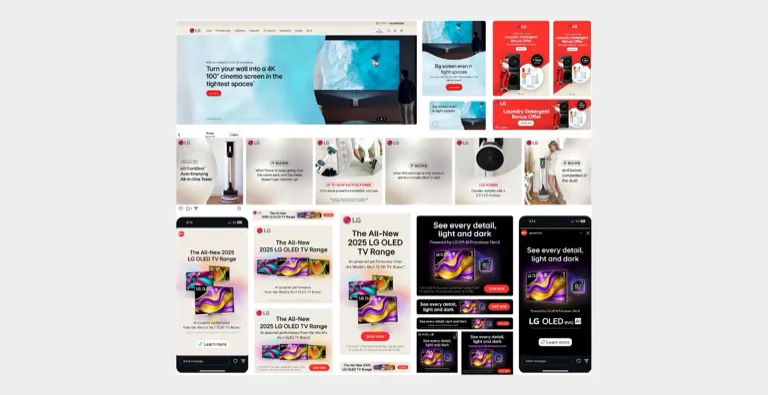
- Partnering with LG across campaigns, content and AEM websites
- 15 years
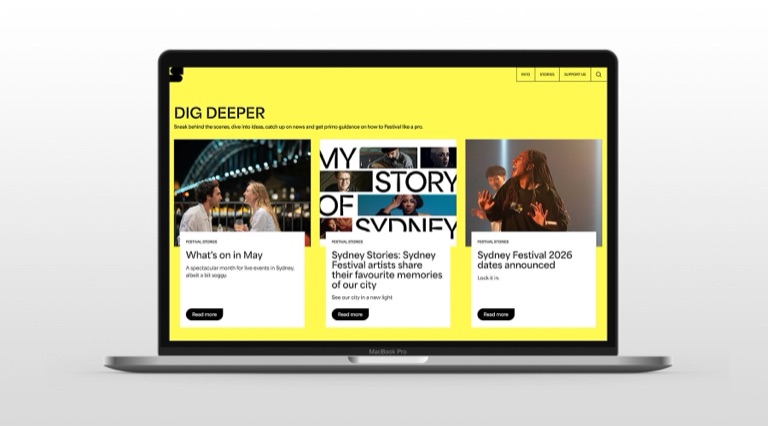
- Supporting Sydney Festival’s website
About Tonic
Independent, agile and quick to adopt what’s next
Marketing changes faster than most agency structures can. New platforms, new channels and new ways of working arrive every year – and the brands that benefit are the ones whose partners move early and carefully.
That’s how Tonic works. We’re an independent agency of senior specialists – not a bloated structure with layers of account staff between you and the people doing the work. We don’t wait for a network to approve a new approach: we test new technology and methods on real work, keep what genuinely helps our clients, and bring it into their programmes quickly. Today that includes AI consulting, AI search visibility (GEO), headless and cloud platforms, and marketing automation.
- Lean, not layeredNo levels and levels of agency staff passing briefs along. You work directly with the senior specialists doing the work – so decisions are faster and nothing gets lost in translation.
- Early to new technologyWe adopt new platforms and methods once they’re proven useful – so clients get the benefit before their competitors.
- Senior, in-house teamStrategy, creative and technology under one roof in Surry Hills – the people in the pitch are the people on the work.
When we meet
Where a conversation with us starts
Whether or not we end up working together, a first conversation should make your next decision clearer. We’ll look together at:
- What you really need – one partner, several specialists or support for your in-house team.
- What success looks like – the measures that matter to your business.
- How we’d work with your team – people, process and approvals.
- Whether we’re the right fit – an honest view, either way.
Long-term partnerships.
Marketing agency FAQs
How do I choose a marketing agency?
Start with a clear business problem and how you’ll measure success. Then look beyond the pitch: who will actually work on your account, how the agency works day to day, whether it fits your team, and how long it keeps its clients.
Should we use a full service or specialist agency?
It depends on how many disciplines you need and how joined-up the work must be. A full service agency suits work that spans strategy, creative, digital and technology; a specialist suits a single, well-defined need you’re happy to coordinate yourself.
How much does a marketing agency cost?
It depends on scope, seniority and how you work together – by project, on a retainer or a mix of both. Ask shortlisted agencies to price against the same brief and show who will do the work, so you’re comparing like with like.
How long should an agency relationship last?
The best relationships last years, not campaigns, because the agency builds knowledge of your business over time. Tonic’s average client relationship is more than eight years – including ten years with LG and fifteen supporting Sydney Festival.
What should a marketing agency brief include?
A good brief covers the business problem, goals and how success will be measured, plus your audience, budget range, timing and any constraints. The clearer the problem, the better the responses – vague briefs tend to produce generic pitches.
Guides. Further reading
Thinking it through? Start here.
 Guide · Branding
Brand strategy: why most rebrands fail before the logo
Why most rebrands fail before anyone designs a logo.Read the guide Guide · Lead generation
B2B lead generation: why more leads isn’t the answer
Why hitting lead targets doesn’t always mean hitting sales targets.Read the guide Guide · SEO and GEO
AI search visibility: why most brands can’t measure it
Why AI answers are so hard to track, and what it means for your brand.Read the guide
Work with us
Looking for an agency partner?
Tonic The Agency is a full service independent agency in Surry Hills, Sydney, founded in 2010, working with brands like LG, ASUS and Sydney Festival. Our average client relationship is more than eight years – we’ve partnered with LG for ten years and supported Sydney Festival for fifteen.